
More Moroccan companies are looking at Egypt as their next expansion market. In conversations with Moroccan entrepreneurs and business leaders, the same question comes up: “How can we expand into Egypt safely and efficiently?”
Egypt has a large consumer market and a growing private sector, and it is a gateway to Africa and the Middle East. But expansion usually succeeds or stalls on legal and regulatory planning, not on demand. This guide explains why Egypt attracts Moroccan companies, the legal steps for entering the market and the points to check early.
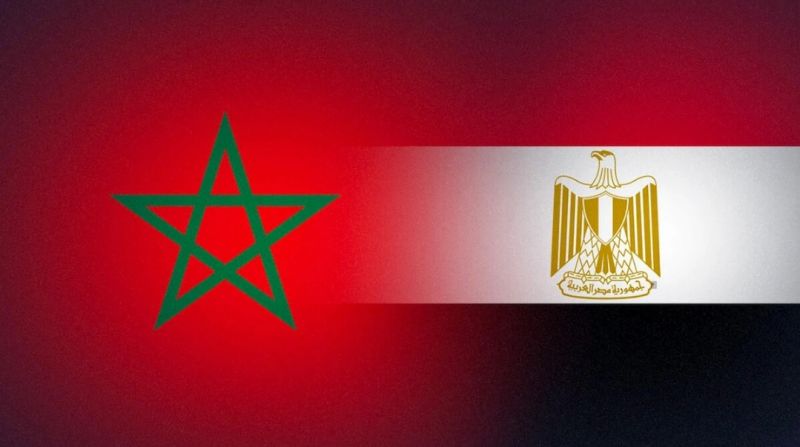
Moroccan Expansion into Egypt at a Glance
| Topic | Summary |
|---|---|
| Market | A population of roughly 109 million according to the national statistics agency, CAPMAS (check the latest figure before you publish) |
| Entry options | LLC, joint stock company, branch or representative office, joint venture, or acquisition |
| Main authority | General Authority for Investment and Free Zones (GAFI) |
| Brand protection | Trademark rights in Egypt depend on registration in Egypt |
| Documents from Morocco | Usually need notarisation and legalisation, plus an Arabic translation, before use in Egypt |
| Common risk | Choosing the wrong structure or starting operations before the licences and registrations are in place |
Egypt as a Strategic Expansion Market
Egypt is one of the largest consumer markets in the region and a hub that links North Africa, the Middle East and Sub-Saharan Africa. Its diversified economy, infrastructure programmes and expanding private sector attract foreign investors. For many Moroccan companies, it is a natural next step after establishing a strong position at home, because the shared Arabic language, similar commercial customs and civil law traditions can make the transition easier than entering an unfamiliar market. Differences remain, in particular in procedure, licensing and administrative practice, so do not assume the two systems work alike.
Key Advantages
A large and growing consumer market. Demand spans consumer goods, retail and e-commerce, industrial services, technology, financial services, healthcare and education, which allows a company to scale once it is properly established.
A strategic position. Companies in Egypt can use the country’s logistics infrastructure and trade arrangements to reach several markets. Morocco and Egypt are both members of the Agadir Agreement and the African Continental Free Trade Area, but the practical tariff treatment and the state of bilateral trade relations have changed over time. Confirm the current position for your products before you build a business case on it.
Bilateral potential. Business ties between the two countries have grown, and the governments have signed cooperation agreements covering areas such as investment, industry and taxation. These can help, but they do not replace a legal structure and licences in Egypt.
Why Legal Structure Determines Success
Expansion into Egypt rarely fails for lack of demand. Delays and difficulties usually arise from legal and regulatory uncertainty, such as:
- choosing the wrong legal entity,
- not understanding the licensing requirements for your sector,
- registering trademarks late or not at all,
- misjudging administrative procedures, and
- weak coordination between advisers in Morocco and Egypt.
A structured approach at the start avoids delay, unexpected cost and compliance risk.
Essential Legal Steps for Moroccan Companies
1. Choose the Entity
| Structure | Typically suitable for | Notes |
|---|---|---|
| Limited liability company (LLC) | Most operating businesses, subsidiaries, joint ventures | Liability limited to the contribution; flexible management; a single-shareholder company is possible |
| Joint stock company (JSC) | Larger, capital-intensive or listed ventures | A more formal governance structure |
| Branch | A specific contract or project | No separate legal personality: the Moroccan parent is liable |
| Representative office | Early market assessment | Liaison only. No revenue-generating activity |
Each structure has its own regulatory, tax and liability consequences. See our guide to foreign investment in Egypt and our Formation and Restructuring practice. A properly chosen structure supports legal compliance, operational flexibility, tax efficiency and investor protection.
2. Prepare the Documents
Corporate documents from Morocco, such as a certificate of registration, board resolutions and powers of attorney, usually need to be notarised, legalised and translated into Arabic before use in Egypt. Start early, because defective legalisation is a common cause of delay.
3. Protect the Brand
Registering a trademark before you launch prevents brand conflicts, unauthorised use, market confusion and disputes. In Egypt, rights depend on registering in Egypt, and the first to file generally has the stronger claim, even against a distributor or a copycat. A Moroccan registration does not automatically protect your brand here. See our guide to trademark registration in Egypt and our Intellectual Property practice.
4. Structure the Commercial Relationships
Most Moroccan companies enter through distributors, agents, joint venture partners or franchisees. Contracts should cover:
- supply, distribution and agency terms (see commercial contracts in Egypt and import and export contracts in Egypt),
- shareholding and governance arrangements with local partners (see shareholders’ agreements in Egypt), and
- dispute resolution, usually arbitration with a clear seat and rules (see dispute resolution in Egypt and MENA).
Distribution and agency arrangements can fall under Egypt’s Commercial Agency Law, so get advice before you appoint a local agent.
5. Licences, Tax and Employment
Check sector-specific licences and approvals, tax registration and social insurance, and employment contracts for local staff. Egypt’s Labor Law No. 14 of 2025 replaced the 2003 law, so Moroccan-style employment templates need review. See Employment. Ask your advisers about any tax treaty and incentive that may apply to your structure, and about profit repatriation.
6. Build In Compliance
Set up policies for anti-corruption, data protection and governance from the start. See corporate compliance in Egypt.
Cross-Border Legal Coordination
Expansion from Morocco to Egypt often needs advisers in both countries to work together on corporate structuring, shareholding arrangements, commercial and distribution contracts and intellectual property. Coordination reduces risk and keeps the position consistent across operations. Early planning also avoids costly restructuring later.
Building Stronger Business Bridges
The opportunity goes beyond individual projects. Moroccan investment in Egypt supports stronger economic ties between the two countries, through investment, knowledge exchange, regional integration and business partnerships. A shared language and business culture help, provided the legal groundwork is sound.
How Al Majidi Supports Moroccan Businesses
We help Moroccan companies enter Egypt with clarity, structure and confidence:
- company formation and branch establishment,
- trademark registration and brand protection,
- cross-border legal coordination, and
- market entry legal guidance.
The aim is more than a registration: it is a secure and sustainable presence in Egypt.
Frequently Asked Questions
Can a Moroccan company own 100% of an Egyptian company?
In most sectors, yes. Egypt’s Investment Law treats foreign and Egyptian investors equally, and ownership restrictions apply only in limited regulated sectors. Check your sector early.
Which structure should a Moroccan company use in Egypt?
An LLC suits most operating businesses. A joint stock company suits larger or listed ventures, a branch suits a specific contract and a representative office suits market research only.
Do Moroccan documents need legalisation to be used in Egypt?
Usually, yes. Corporate documents and powers of attorney generally need to be notarised, legalised and translated into Arabic. Confirm the exact chain before you start.
Should I register my trademark before entering Egypt?
Yes. Egypt is a first-to-file jurisdiction, so register before you appoint a distributor or launch.
Do I need a local partner?
Not as a general rule, but some regulated sectors may require one, and many companies choose one for local knowledge. If you do, document the relationship carefully.
Plan Your Expansion into Egypt
Al Majidi Law Firm advises Moroccan and other foreign companies on market entry, company formation, trademarks and commercial contracts in Egypt. Read about our formation and restructuring services or contact us for a confidential discussion.
This article is for general information only and is not legal advice. Laws, treaties and procedures change, so seek advice on your specific situation.